UN World Food Programme: 14 million people in Afghanistan face hunger
Kabul, August 5 (Hibya) - The United Nations World Food Programme (WFP) warned that the humanitarian crisis in Afghanistan is deepening, with more than 14 million people—nearly one-third of the country's population—facing severe food insecurity.
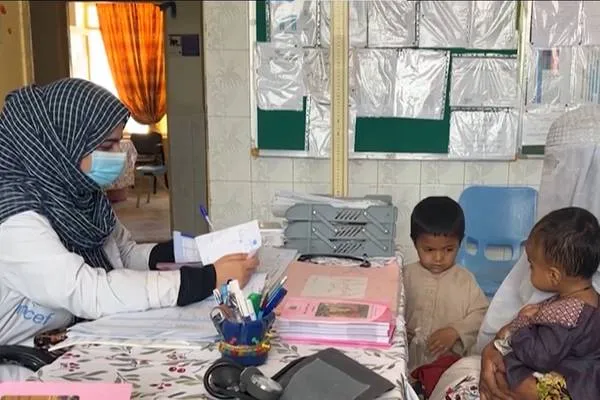
According to CCTV, the United Nations World Food Programme (WFP) warned that the humanitarian crisis in Afghanistan is deepening, with more than 14 million people—nearly one-third of the country's population—facing severe food insecurity.
The agency called for urgent additional funding to prevent the worsening malnutrition crisis, particularly among children.
WFP Afghanistan Country Director John Aylieff said that acute child malnutrition has reached the highest levels ever recorded in 12 of the country's 34 provinces. He noted that around 80 percent of the most severe cases are among children under the age of two, describing the situation as deeply alarming.
Aylieff stated that the crisis is not only the result of drought and economic hardship but has also been exacerbated by regional developments in recent years. Rising unemployment, increasing food prices and the forced return of millions of Afghans from neighboring countries have placed additional pressure on the country.
Aylieff said, "Over the past three years, around six million Afghans have been forcibly deported from neighboring countries. There are not enough jobs to employ these people. Trade disruptions caused by crises in Pakistan and the Middle East have increased the prices of staple foods by 20 to 30 percent. Poor households can no longer afford basic food. Today, around 14 million Afghans are experiencing acute hunger. Due to funding cuts, WFP has only been able to assist one out of every nine people in need."
Emphasizing that the humanitarian tragedy is preventable, Aylieff said, "Conflict, trade disruptions and forced returns have led to unprecedented levels of acute malnutrition in Afghanistan.
Because of cuts in aid budgets, millions of malnourished children are unable to receive support during the most critical period of their lives. Today, many children in Afghanistan are dying from acute malnutrition, and these deaths are entirely preventable."
WFP, together with the United Nations Children's Fund (UNICEF), provides treatment services across the country for malnourished children under the age of five as well as pregnant and breastfeeding women.
However, due to a severe funding shortfall, the organization has been forced to limit food assistance to only the most critical cases. It was also reported that the distribution of specialized nutritious foods aimed at preventing malnutrition and stunting was completely halted in May 2025.
Warning that the coming winter could turn into a new humanitarian disaster, Aylieff said WFP needs approximately 500 million dollars in additional funding to meet Afghanistan's emergency food needs for the remainder of the year.
Aylieff added, "The total cost of our nutrition and food security programmes this year is about 900 million dollars. Because of insufficient funding, we were unable to meet the needs during the first six months of the year. Over the next six months, especially as winter approaches, we urgently need 500 million dollars to respond to Afghanistan's acute food crisis."
Eu Day Light
 Facebook
 Tweeter
 Whatsapp