WHO: 2.2 billion people live with vision impairment
Geneva, August 18 (Hibya) - According to 2026 data from the World Health Organization (WHO), at least 2.2 billion people worldwide have a near or distance vision impairment. In at least 1 billion of these cases, vision loss could have been prevented or has yet to be addressed.
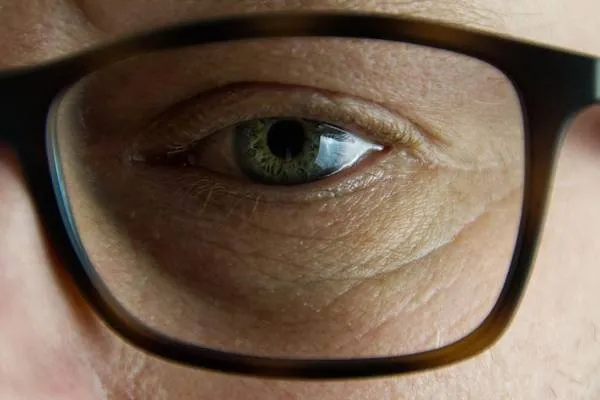
WHO published updated data on vision impairment and blindness worldwide. According to the report, at least 2.2 billion people globally have a near or distance vision impairment.
For at least 1 billion of these people, the vision impairment could have been prevented or the existing condition has yet to be addressed.
According to WHO, the leading causes of vision impairment and blindness include refractive errors, cataracts, diabetic retinopathy, glaucoma and age-related macular degeneration. Uncorrected refractive errors are among the leading causes of vision impairment in both children and adults across all countries.
The main conditions causing vision impairment or blindness worldwide include 94 million cases of cataract, 88.4 million cases of refractive error, 8 million cases of age-related macular degeneration, 7.7 million cases of glaucoma and 3.9 million cases of diabetic retinopathy.
The leading cause of near vision impairment is presbyopia, or age-related difficulty seeing at close range, affecting 826 million people.
WHO said the prevalence of distance vision impairment in low- and middle-income regions is approximately four times higher than in high-income regions.
It was reported that two-thirds of people in low-income countries who need glasses do not have access to them, while half of people worldwide who require cataract surgery are unable to access the service.
Vision impairment was noted to have significant consequences not only for health but also socially and economically.
According to WHO, the annual cost of global productivity losses associated with vision impairment is approximately $411 billion.
Severe and irreversible vision impairment beginning early in childhood can affect motor, language, emotional, social and cognitive development, while among school-age children it can lead to poorer educational outcomes.
In adults, vision impairment can negatively affect quality of life, reduce employment rates and increase the risk of depression and anxiety.
Among older adults, vision impairment can lead to social isolation, difficulty walking, increased risk of falls and fractures, and an earlier need for care services.
WHO emphasized that early diagnosis and timely treatment are critical for preventing irreversible vision loss, noting that correcting refractive errors with glasses and cataract surgery are among the most cost-effective interventions in health care.
Eu Day Light
 Facebook
 Tweeter
 Whatsapp